Devon Frank · 9 September 2026
Flintrock Formations Inspire Collaborative Art Projects Between Local Creators and Regional Geologists
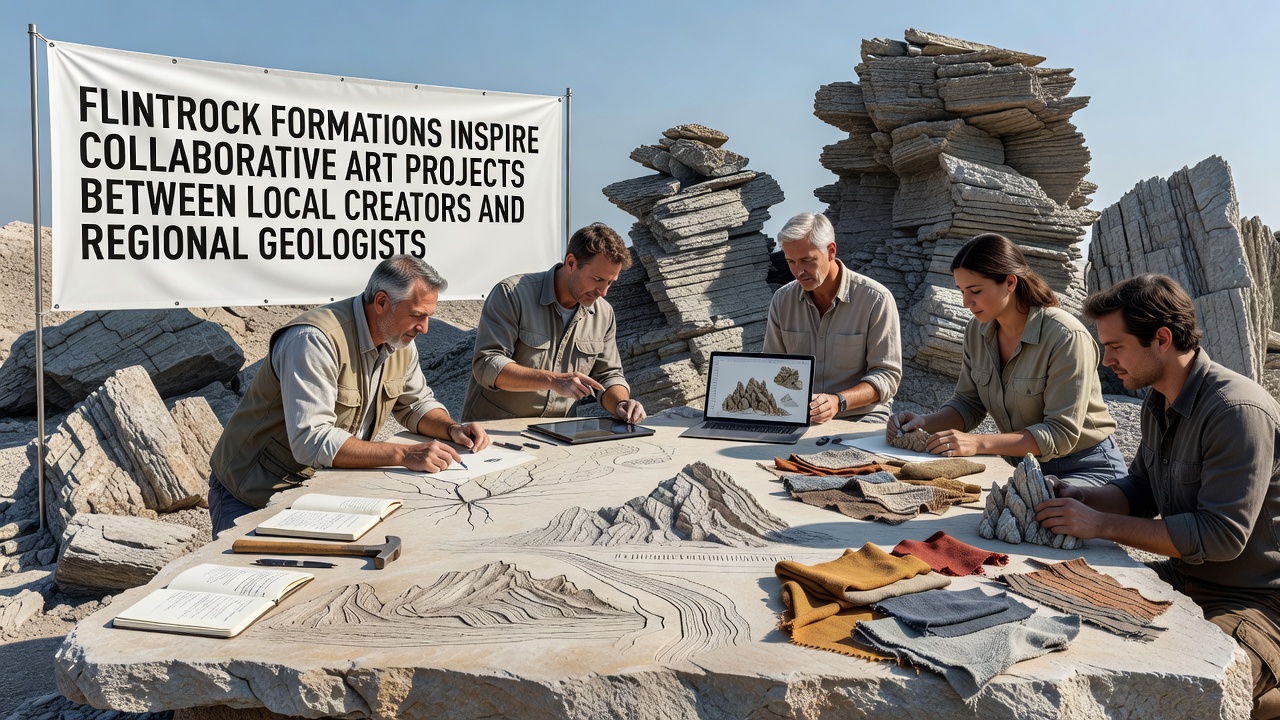
The Flintrock formations stand as prominent geological features in the region, with their distinctive layered sandstone and quartz compositions drawing attention from both artistic and scientific communities over several decades, while data from regional surveys indicate these structures formed through sedimentary processes spanning millions of years. Local creators have begun partnering with geologists to develop site-specific installations that incorporate accurate mineral data and structural measurements, and this approach has produced several public artworks since the early 2020s.
Researchers at nearby universities have documented teh unique erosion patterns that create the formations' sharp ridges and sheltered alcoves, and these observations now inform artistic choices in material selection and scale. One project completed in 2024 used drone-captured topography to guide the placement of metal sculptures that align with natural fault lines, allowing viewers to trace geological history through visual lines in the landscape.
Partnership Models Emerging Across the Area
Collaborations typically begin with joint field sessions where geologists provide core samples and stratigraphic maps, while creators contribute design sketches that respect site stability and environmental regulations. These sessions have expanded in 2025 to include public workshops, and attendance records show participation from over 200 individuals across three counties. Funding for the initiatives comes through regional arts grants matched with geological research allocations, creating a model that other districts have started to replicate.
Turns out the combination yields measurable outcomes in both fields. Geologists report increased public awareness of rock composition details after viewing the resulting artworks, whereas artists gain access to precise elevation and material durability information that shapes more durable installations. A notable example involves a 2025 sculpture series that embeds quartz fragments collected under permit, with each piece accompanied by labels explaining the mineral's formation timeline.
Projects Scheduled for September 2026
Planning documents released earlier this year outline a new series of collaborative works slated for unveiling in September 2026, and these will focus on interactive elements that let visitors observe micro-weathering effects on different rock types. Teams have already completed preliminary mapping using LiDAR technology, and the resulting datasets will guide placement of viewing platforms constructed from locally sourced, non-invasive materials.
What's interesting is how past projects have influenced curriculum at area schools, where students now study both artistic interpretation and geological sampling techniques in combined lessons. Figures from the regional education board reveal a 15 percent rise in enrollment for earth science courses following the first round of installations, and similar trends appear in community art programs.
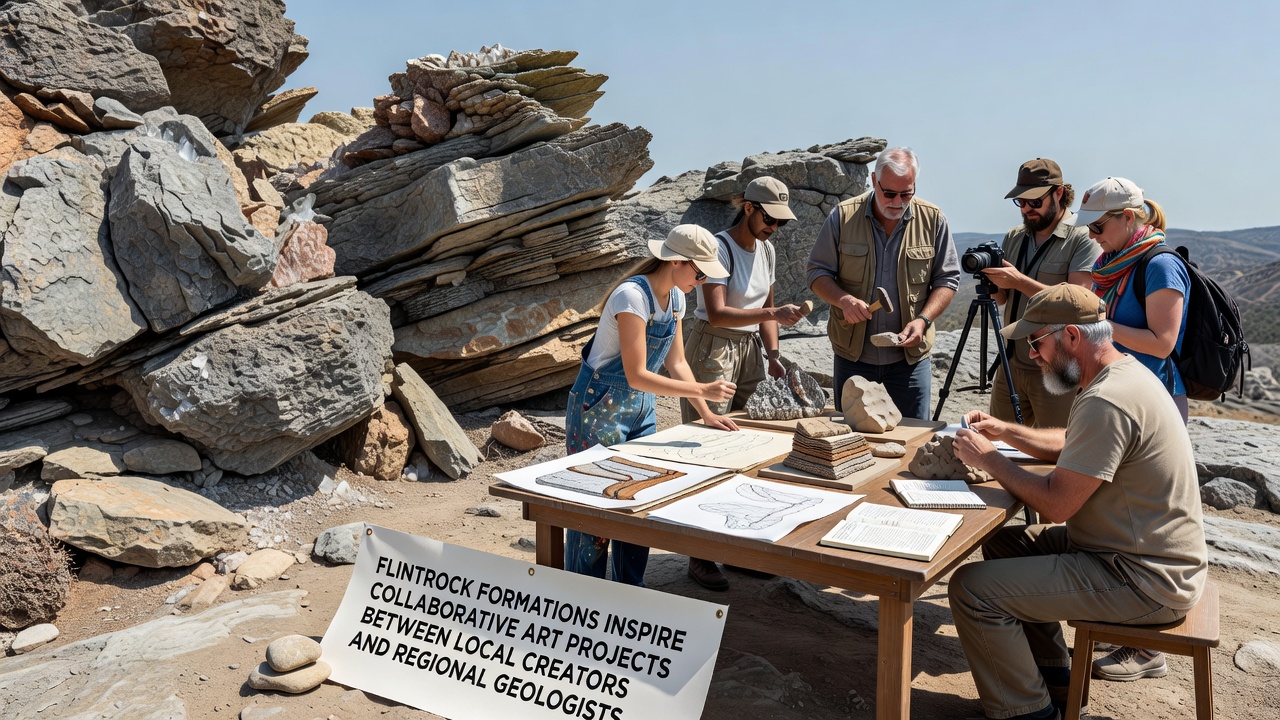
One team documented their process through time-lapse photography that captured both the artistic construction and the geologists' simultaneous data collection, and this footage now serves as training material for future partnerships. The approach avoids speculation by sticking to verified measurements and established artistic techniques, while still producing works that resonate with audiences unfamiliar with either discipline.
Geographic and Institutional Connections
Similar efforts have appeared in other regions with notable rock formations, and observers note parallels with projects coordinated through the U.S. Geological Survey and various state arts councils. Data shared across these networks shows consistent benefits in public engagement metrics, particularly when installations incorporate real-time monitoring equipment that displays erosion rates or seasonal moisture changes.
Yet the Flintrock efforts remain distinct because of their emphasis on direct creator-geologist pairings rather than sequential handoffs, and this has produced artworks that embed scientific instrumentation within aesthetic forms. Community records indicate at least four such hybrid pieces completed to date, with maintenance agreements ensuring the scientific components continue functioning for ongoing research.
Conclusion
The ongoing work around the Flintrock formations demonstrates how geological data and artistic practice can intersect through structured collaboration, and September 2026 stands to bring additional examples into public view. Regional records continue to track participation numbers, material sourcing, and educational outcomes, providing a factual basis for evaluating the model's effectiveness across multiple years.